As a seasoned expert with over 15 years immersed in the intricate world of specialty coffee, I’ve seen the humble drip coffee maker evolve from a simple kitchen appliance into a sophisticated workhorse, especially in commercial settings. For any coffee shop, restaurant, office, or catering business, a commercial drip coffee maker isn’t just a machine; it’s the heart of your daily operations, ensuring consistent quality and efficiency with every pour. At CoffeeMaster, we understand that selecting the right equipment is paramount to elevating your coffee experience and making smart purchasing decisions.
Understanding Commercial Drip Coffee Makers
What exactly sets a “commercial” drip coffee maker apart from its home-based cousins? It boils down to scale, durability, and consistency. While a home brewer might handle a few cups a day, a commercial unit is engineered for continuous, high-volume production, designed to withstand the rigors of constant use in busy environments. These machines are built with robust components, often featuring larger capacities, faster brewing cycles, and advanced controls to meet the relentless demand of a thriving business. They are designed to deliver reliable performance day in and day out, ensuring that every customer receives a consistently excellent cup.
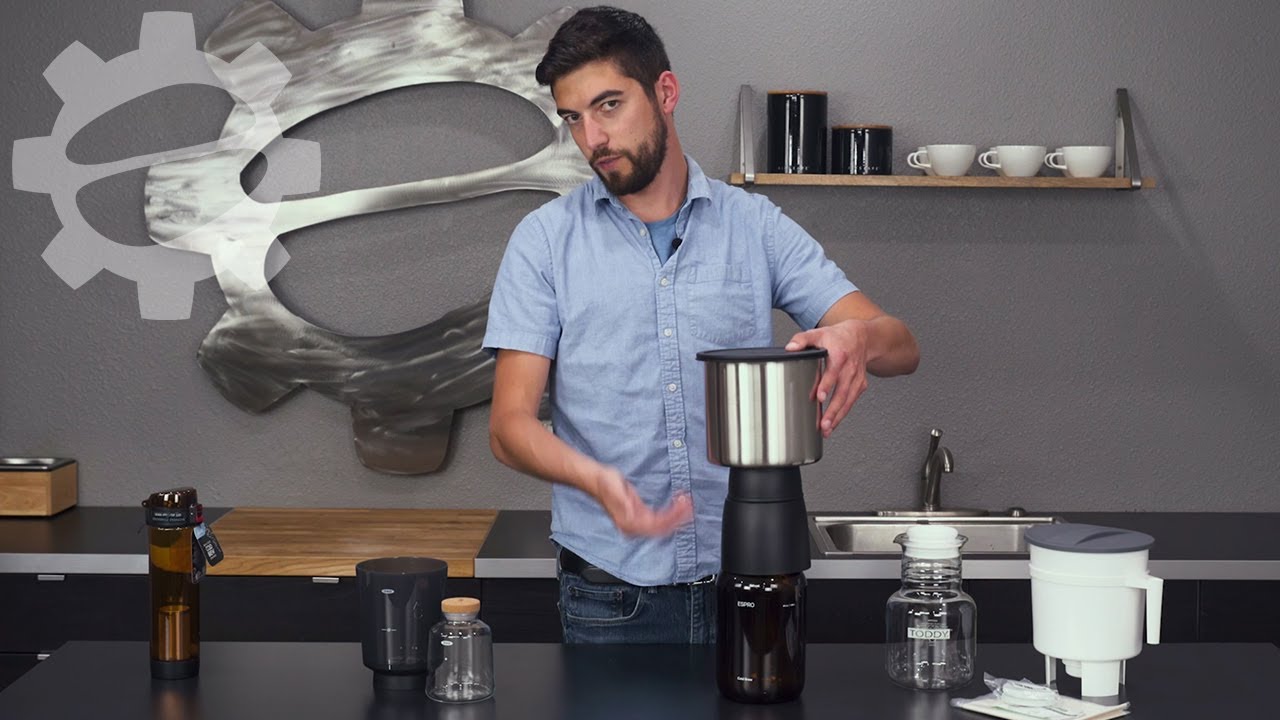
The Heart of the Brew: How Commercial Drip Coffee Makers Work
The fundamental principle of a commercial drip coffee maker is beautifully simple yet incredibly effective: hot water meets ground coffee, and gravity does the rest. However, the commercial versions elevate this process with precision engineering.
At its core, water is drawn from a reservoir (either manually filled or plumbed directly into your water line) and heated to a precise temperature, typically between 195°F and 205°F (91°C-96°C). This heated water is then dispersed evenly over a bed of coffee grounds held within a filter basket, often via a multi-stream showerhead designed for optimal saturation. This “pre-infusion” or “bloom” phase, a common feature in many commercial models, allows the coffee to degas, releasing CO2 and preparing the grounds for more uniform extraction. The hot water then slowly drips through the grounds, extracting rich flavors and aromas, before finally collecting as brewed coffee in a carafe, decanter, or thermal airpot below. Advanced models often incorporate pulse brewing, where water delivery is intermittent, allowing for more precise control over the contact time and flavor extraction, much like a skilled barista performing a pour-over.
Navigating the Landscape: Types of Commercial Drip Coffee Makers
When stepping into the world of commercial drip coffee makers, you’ll encounter a few primary types, each suited to different operational needs:
Traditional Decanter Brewers
These are the classic workhorses you often see in diners and casual restaurants. They brew coffee into glass decanters that sit on heated plates.
Pros: Simple operation, generally lower upfront cost, familiar to most staff.
Cons: Heated plates can “cook” coffee over time, leading to a bitter taste if held for too long (typically over 30 minutes). Best for establishments with a very fast coffee turnover.
Thermal Server & Airpot Brewers
A significant upgrade for many businesses, these machines brew directly into insulated thermal carafes or airpots.
Pros: Keeps coffee hot and fresh for much longer (up to two hours) without scorching, ideal for self-service stations, catering, or when coffee isn’t served immediately.
Cons: Thermal servers can be more expensive than glass decanters, and require proper cleaning to prevent residual coffee oils.
Automated Pour-Over Systems
For specialty coffee shops that value the nuanced flavors of pour-over but need the efficiency of automation, these machines are a game-changer. Models like the Marco SP9 Twin replicate the precise water delivery and bloom phases of a manual pour-over.
Pros: Exceptional brew quality and consistency, highly programmable, often have a sleek, modern aesthetic.
Cons: Typically more expensive and may have lower batch capacities compared to traditional large-volume brewers.
Choosing Your Brew Partner: Essential Features to Consider
Selecting the ideal commercial drip coffee maker requires a careful evaluation of your business needs. Here are the crucial features to prioritize:
Brewing Capacity & Speed
“Think about your peak hours,” advises Master Barista Emily R. Hayes. “How many gallons do you need per hour? A machine that brews too slowly during a rush can kill customer satisfaction.” Consider the machine’s gallons-per-hour (GPH) rating and its recovery time – how quickly it can brew successive batches. High-volume establishments will require multi-pot brewers or models with rapid brew cycles.
Water Source: Plumbed-in vs. Pour-over
Plumbed-in (Automatic): Connects directly to your water line, offering continuous brewing without manual refills. Essential for high-volume and consistency.
Pour-over (Manual Fill): Requires manually filling a water reservoir for each batch. Suitable for lower-volume settings, mobile units, or where plumbing is not feasible.
Programmability & Controls
Modern commercial brewers offer a range of customizable settings, from brew temperature and volume to pre-infusion times and pulse brewing cycles. These controls allow you to fine-tune extraction for different coffee beans and roast profiles, ensuring optimal flavor. A user-friendly digital interface makes programming easier for staff.
Durability & Build Quality
Commercial environments demand rugged construction. Look for machines made with high-quality stainless steel and robust internal components designed for heavy, continuous use. A durable machine means less downtime and a longer lifespan for your investment.
Size & Footprint
Counter space is often at a premium. Measure your available area and choose a machine that fits comfortably without impeding other operations. Some manufacturers offer compact designs specifically for tighter spaces like coffee carts or small cafes.
Ease of Cleaning & Maintenance
Regular cleaning is vital for both hygiene and coffee quality. Opt for machines with easily accessible components for daily cleaning and clear instructions for periodic descaling. Simple maintenance routines save time and extend the life of your equipment.
Energy Efficiency
Features like programmable auto on/off functions can significantly reduce energy consumption during off-peak hours, contributing to lower operating costs and a greener footprint.
Additional Conveniences
Some machines come with integrated hot water taps, perfect for offering teas, hot chocolate, or instant oatmeal. While less common, built-in grinders ensure the freshest possible brew by grinding beans on demand.
Top Contenders in the Commercial Drip Coffee Market
Several brands consistently stand out for their reliability and performance in the commercial drip coffee maker arena:
- Bunn: A perennial favorite, Bunn is renowned for its speed, durability, and wide range of models, from simple pour-overs to advanced automatic systems like the Bunn 23001.006 Automatic Airpot Brewer. They are a staple in many diners and offices.
- Fetco: Often considered the gold standard for specialty coffee shops, Fetco brewers, such as the CBS-1221 or XTS series, offer exceptional precision, programmability, and high capacity, delivering consistently high-quality batch brew.
- Wilbur Curtis: Known for robust construction and advanced features, Curtis brewers like the G4 ThermoProX line provide excellent temperature control and customizable brewing profiles, making them popular in high-volume cafes and institutions.
Brewing Perfection: Best Practices for Your Commercial Drip Coffee Maker
Even the best machine needs a skilled hand to unleash its full potential.
- Grind Size and Consistency: A consistent, medium-coarse grind is generally ideal for drip coffee. An inconsistent grind leads to uneven extraction, resulting in either weak or bitter coffee. Don’t compromise on a good commercial grinder.
- Water Quality and Temperature: Use fresh, filtered water. Off-tasting water will ruin your coffee. Ensure your machine consistently reaches the optimal brewing temperature (195-205°F / 91-96°C) for proper extraction.
- Coffee-to-Water Ratio: A common starting point is 1:16 or 1:17 (e.g., 1 part coffee to 16 parts water). Experiment to find the perfect balance for your specific beans and customer preferences. Precision matters, so using a scale for your coffee grounds is highly recommended.
- Pre-wetting/Blooming: If your machine has a pre-infusion feature, utilize it. This step allows the coffee grounds to “bloom,” releasing gases and ensuring more uniform saturation, which leads to better flavor extraction.
- Serving and Holding Tips: Serve coffee immediately after brewing for the freshest taste. If using decanter brewers, discard coffee after 30 minutes. Thermal carafes and airpots extend freshness for up to two hours.
Beyond the Drip: Drip vs. Other Commercial Brewers
While drip coffee excels at high-volume, consistent batch brewing, it’s worth briefly noting its place alongside other commercial brewing methods.
- Espresso Machines: Ideal for highly concentrated shots, milk-based drinks, and bespoke beverages, requiring specialized skill and more intricate maintenance.
- Bean-to-Cup Machines: Offer ultimate automation, grinding beans and brewing a single cup (or specialty drink) at the touch of a button, popular in offices and self-service environments where consistency without barista intervention is key.
Drip coffee remains the champion for straightforward, delicious, large-batch coffee that satisfies a broad customer base efficiently.
Maintenance Matters: Keeping Your Machine Running Smoothly
Longevity and performance are directly linked to diligent maintenance.
- Daily Cleaning: After each use, empty and rinse the filter basket and carafe/airpot. Wipe down exterior surfaces. For plumbed-in machines, run a hot water cycle to flush lines.
- Weekly Deep Clean: Disassemble removable parts and wash with a mild detergent. Pay attention to spray heads and filter baskets, as coffee oils can build up.
- Descaling: Mineral deposits from water can accumulate in the heating elements and water lines, impacting performance and flavor. Descale your machine every 1-3 months, depending on water hardness and usage, using a commercial descaling solution or a vinegar-water mixture (check manufacturer guidelines). Master Barista Leo Chen emphasizes, “Neglecting descaling is like trying to drive a car with a clogged engine. It won’t perform, and eventually, it’ll break down.”
FAQs about Commercial Drip Coffee Makers
How often should I descale my commercial drip coffee maker?
Generally, every 1 to 3 months, depending on the hardness of your water and how frequently the machine is used. Harder water or heavier usage may require more frequent descaling to prevent mineral buildup and maintain optimal performance.
What’s the ideal temperature for brewing commercial drip coffee?
The Specialty Coffee Association (SCA) recommends a brewing temperature between 195°F and 205°F (91°C-96°C). This temperature range ensures proper extraction of flavors without burning the coffee.
Can I use any coffee grinder with a commercial drip machine?
While you can use almost any grinder, a high-quality commercial-grade burr grinder is essential for consistent particle size. This consistency is crucial for even extraction and a superior cup of coffee, directly impacting the final taste and quality.
How long does drip coffee stay fresh in a commercial setting?
In a glass decanter on a heated plate, coffee can start to develop a bitter, “cooked” taste after about 30 minutes. In an insulated thermal carafe or airpot, coffee can stay fresh and hot for up to two hours without significant degradation in flavor.
Are plumbed-in machines better than pour-over models?
For high-volume commercial operations, plumbed-in machines are generally superior due to their continuous water supply and consistent brewing without manual refills, leading to greater efficiency and consistent quality. Pour-over models are best suited for lower-volume settings or mobile units where plumbing isn’t an option.
Conclusion
Investing in a commercial drip coffee maker is an investment in your business’s reputation and your customers’ satisfaction. From understanding the underlying technology to selecting the right features and maintaining your machine with care, every step contributes to the perfect brew. Embrace the journey of discovery, experiment with different beans and settings, and share the joy of exceptional coffee. At CoffeeMaster, we’re dedicated to empowering you with the knowledge to make smart choices and truly master the art of coffee brewing, one perfect drip at a time.
|
Our Picks for the Best Drip Coffee Maker in 2026
As an Amazon Associate I earn from qualifying purchases.
|
||
| Num | Product | Action |
|---|---|---|
| 1 | Amazon Basics 5 Cup Drip Coffee Maker, Coffee Machine with Glass Coffee Pot (0.8 Qt), Auto Shut-off, Auto Pause, Removable Filter Basket, Matte Black |

|
| 2 | Hamilton Beach 2-Way Programmable Coffee Maker, 12 Cup Glass Carafe And Single Serve Coffee Maker, Black with Stainless Steel Accents, 49980RG |
|
| 3 | Amazon Basics 5 Cup Drip Coffee Maker, Coffee Machine with Glass Coffee Pot (0.8 Qt), Auto Shut-off, Auto Pause, Removable Filter Basket, Matte Black |
|
| 4 | Hamilton Beach 12 Cup Programmable Drip Coffee Maker, Brew Options, Glass Carafe (46299), Black with Stainless Accents |
|
| 5 | Flavia Aroma Brewer - Coffee Machine, Makes Coffee, Lattes, Tea, and other Hot or Iced Beverages with Single-Serve Freshpacks, Multiple Brew Sizes, Black |
|
| 6 | BLACK+DECKER 12-Cup Coffee Maker with Easy On/Off Switch, Easy Pour, Non-Drip Carafe with Removable Filter Basket, Vortex Technology, Black |
|
| 7 | Cuisinart 14-Cup Coffee Maker, Programmable PerfecTemp Glass Carafe Coffee Machine with 1-4 Cup Setting, Brew Strength Control and Brew Pause, Stainless Steel, DCC-3200NAS |
|
| 8 | BLACK+DECKER 12-Cup Digital Coffee Maker, Programmable, Washable Basket Filter, Sneak-A-Cup, Auto Brew, Water Window, Keep Hot Plate, Black |
|
| 9 | Hamilton Beach 12 Cup Programmable Coffee Maker, FrontFill Drip Coffee Maker |
|
| 10 | SHARDOR 10-Cup Programmable Coffee Maker, Regular & Strong Brew Drip Coffee Machine for Home and Office, Auto Shut Off, Permanent Filter, Silver |
|