There’s a special kind of magic in that first sip of coffee, isn’t there? For many, an automatic drip coffee maker is the trusty companion that transforms humble beans and water into a steaming cup of joy, day in and day out. But in a world brimming with options, from basic models to high-tech marvels, finding the Best Automatic Drip Coffee Maker can feel like searching for a needle in a haystack. Fear not, fellow coffee aficionados! As someone who has spent over 15 years immersed in the world of specialty coffee, I’m here to navigate the nuances with you, ensuring your mornings are always greeted with an exceptional brew.
The Journey of the Brew: A Brief History of Drip Coffee Makers
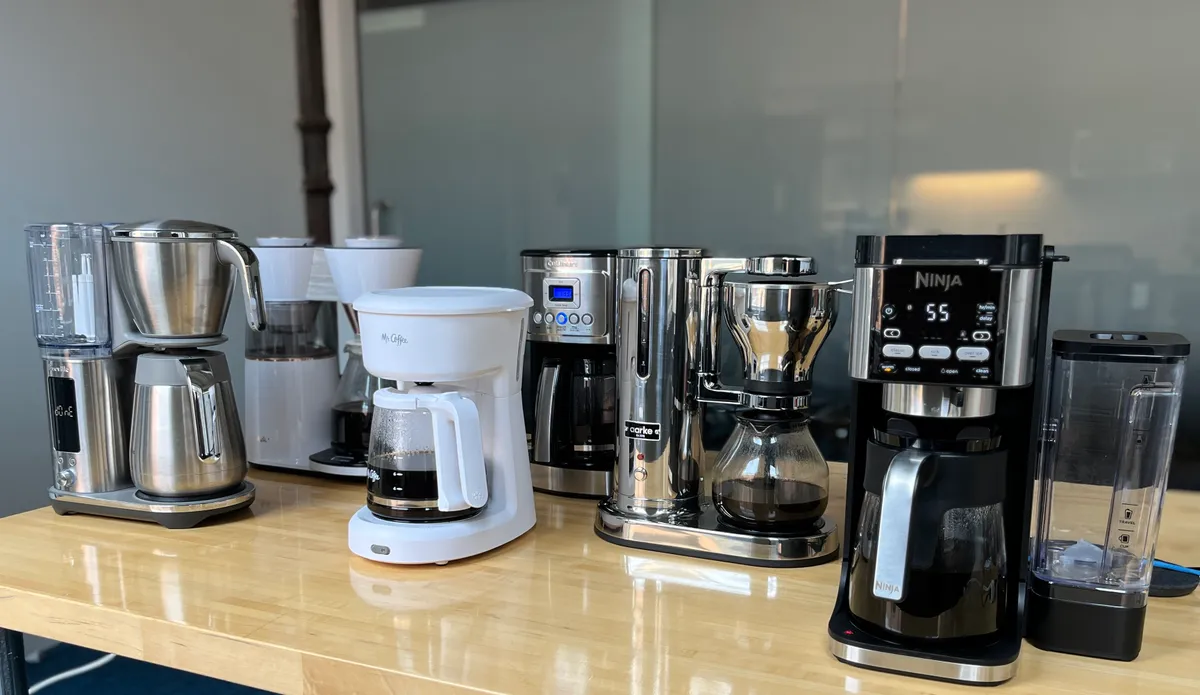
The humble drip coffee maker, as we know it, has a rich lineage. Before its advent, coffee was often prepared through simple boiling or percolation, methods that frequently resulted in bitter, over-extracted brews. The early 20th century saw the introduction of filter coffee, aiming for a cleaner cup. However, it wasn’t until the mid-century, with innovations like the electric heating element and automated water delivery, that the automatic drip coffee maker truly began its ascent. These machines revolutionized home brewing, offering unprecedented convenience and a consistently better cup than their predecessors. Today, they stand as a testament to how far brewing technology has come, blending tradition with cutting-edge features to meet the demands of discerning coffee lovers.
Decoding Your Options: Popular Types of Automatic Drip Coffee Makers
The landscape of automatic drip coffee makers is diverse, catering to every budget and brewing preference. Understanding the different types is key to identifying your ideal match:
- Basic Workhorses: These are your straightforward, no-frills machines, typically featuring a simple on/off switch and a glass carafe on a hot plate. They’re excellent for those who prioritize simplicity and affordability.
- Programmable Wonders: A step up in convenience, these models allow you to set a timer the night before, waking up to the irresistible aroma of freshly brewed coffee. Many also offer brew strength selectors for a customizable experience. The Ninja 12-Cup Programmable Coffee Brewer is a prime example, offering consistent performance and various settings.
- SCA-Certified Brewers: For the true connoisseur, Specialty Coffee Association (SCA) certified machines guarantee adherence to strict brewing standards for temperature, time, and extraction. Brands like Technivorm Moccamaster and some OXO models often carry this coveted certification, ensuring a “Golden Cup” standard brew.
- High-End & Customizable Machines: These are the sophisticated gadgets offering unparalleled control. Think adjustable brew temperature, bloom cycles, pre-infusion settings, and even cold brew capabilities. The Breville Precision Brewer is a standout in this category, allowing users to tinker with various parameters for their perfect cup.
- Single-Serve vs. Batch Brew: While most automatic drip makers focus on brewing full pots, some are optimized for smaller batches, or even include single-serve options for when you just need a quick cup.
The Science Behind the Brew: How Your Drip Coffee Maker Works
At its heart, an automatic drip coffee maker performs a seemingly simple task: running hot water over ground coffee and collecting the delicious liquid below. Yet, achieving that perfect balance of strength and flavor is an art, guided by precise mechanics:
- Water Heating System: The journey begins when cold water from the reservoir is drawn into a heating element. For optimal extraction, the water needs to reach a specific temperature range—ideally between 197 and 205 degrees Fahrenheit (92 and 96 degrees Celsius). Many less expensive machines struggle to hit or maintain this critical temperature, leading to under-extracted, weak, or sour coffee.
- Water Delivery: Once heated, the water is dispersed over the coffee grounds, often through a “showerhead” mechanism. Advanced models, like the OXO Brew 9-Cup Coffee Maker, use a “rainmaker-style” top for even saturation, mimicking the gentle, controlled pour of a manual pour-over. This even saturation is crucial for consistent extraction.
- The Bloom (Pre-Infusion): Some high-end machines incorporate a “bloom” phase, where a small amount of hot water is initially dispersed over the grounds, allowing them to de-gas (release trapped CO2) before the main brewing cycle begins. This leads to a more even extraction and a richer flavor profile. The Fellow Aiden Precision Coffee Maker, for instance, boasts a built-in bloom cycle with adjustable settings.
- Extraction Process: As hot water filters through the coffee grounds, it dissolves soluble compounds—flavors, aromas, acids, and oils—that make up coffee. The ideal contact time between water and grounds is typically between four and eight minutes. Too short, and the coffee will be weak; too long, and it becomes bitter due to over-extraction.
- Filtration and Collection: The brewed coffee then drips through a filter basket (containing either paper or reusable filters) into a carafe, ready to be enjoyed.
As Sarah Miller, a 20-year veteran barista and coffee consultant, often says, “The magic isn’t just in the bean; it’s in the consistent application of optimal temperature and saturation. A great automatic drip maker streamlines that complexity into a reliable morning ritual.”
Mastering Your Machine: A Step-by-Step Guide to Using Your Drip Coffee Maker
Getting the most out of your automatic drip coffee maker is simple, but a few pro tips can elevate your daily cup:
- Preparation is Key:
- Water: Always use fresh, filtered water. Coffee is 98% water, so its quality profoundly impacts taste.
- Beans: Start with freshly roasted, whole beans. Grind them just before brewing for the freshest flavor. A medium grind consistency is typically recommended for drip machines.
- Measure Accurately:
- The Specialty Coffee Association recommends a ratio of 55 grams of coffee to 1 liter of water. For a standard 8-cup brewer (often meaning 40 ounces or about 1.2 liters), this translates to roughly 65-70 grams of coffee. A general rule of thumb is two tablespoons of ground coffee for every six ounces of water.
- Assemble and Load:
- Place your filter (paper or reusable) in the brew basket.
- Add your precisely measured coffee grounds. Gently shake the basket to level the grounds.
- Fill the water reservoir with cold, filtered water up to your desired brew line.
- Ensure the carafe is in place to catch the brew.
- Initiate Brewing:
- If your machine is programmable, set your desired brew strength or special features (like “bold” or “over ice”).
- Start the brewing cycle. Resist the urge to peek during the process; consistent temperature and saturation are at work!
- Serve and Savor:
- Once the brewing cycle is complete, pour your coffee immediately. If using a glass carafe with a hot plate, drink within 20-30 minutes to avoid “stewed” flavors. Thermal carafes will keep your coffee hot for much longer without compromising taste.
Choosing Your Perfect Brew Partner: What to Look for in the Best Automatic Drip Coffee Maker
When you’re ready to invest in an automatic drip coffee maker, consider these crucial factors to ensure it fits your lifestyle and brewing desires:
- Capacity and Size: Are you brewing for one or a crowd? Machines range from 4-cup compact designs to 14-cup family-sized brewers. Also, check the dimensions to ensure it fits comfortably under your kitchen cabinets.
- Carafe Type: Thermal vs. Glass: This is a big one.
- Thermal Carafes (usually stainless steel) are insulated, keeping coffee hot for hours without a heating element. This prevents the coffee from “cooking” and developing bitter notes. Many top picks, like the OXO Brew 8-Cup, feature thermal carafes.
- Glass Carafes sit on a hot plate, which keeps coffee warm but can degrade its flavor over time. They are generally more affordable.
- Programmability and Customization: Do you dream of waking up to pre-brewed coffee? Programmable timers are a must. Beyond that, consider features like brew strength control, adjustable water temperature, bloom cycles, or even settings for iced coffee and cold brew.
- Brewing Standards (SCA Certification): For superior quality, look for machines certified by the Specialty Coffee Association. This seal of approval indicates the brewer meets stringent standards for water temperature and contact time, leading to optimal extraction and flavor.
- Ease of Use and Cleaning: Life is busy, and your coffee maker shouldn’t add to the hassle. Look for intuitive controls, easily accessible water reservoirs, and brew baskets that are simple to remove and clean. Wide-mouth thermal carafes are also a plus for cleaning.
- Durability and Warranty: A good coffee maker is an investment. Check the warranty (Technivorm offers an impressive five years), and read reviews about long-term reliability.
- Price vs. Features: Automatic drip coffee makers span a wide price range. Determine your budget and prioritize the features that matter most to you. You can find excellent value at various price points, from under $100 to several hundred dollars for specialty models.
Keeping It Pristine: Maintenance and Cleaning for Longevity
Regular cleaning isn’t just about hygiene; it’s about preserving the taste of your coffee and extending the life of your machine.
- Daily Rinse: After each use, discard spent grounds and rinse the brew basket and carafe with warm, soapy water.
- Weekly Deep Clean: Wipe down the exterior. For reusable filters, scrub them thoroughly.
- Monthly Descaling: Mineral deposits from water can build up in your machine’s heating elements, impairing performance and flavor. Descale regularly, typically once a month, or more often if you have hard water. You can use a solution of equal parts white vinegar and water (filling the reservoir and running a brew cycle), followed by several cycles of plain water to rinse. Some manufacturers recommend specific descaling solutions.
Drip vs. The Rest: How Automatic Drip Stacks Up Against Other Brewing Methods
While automatic drip holds a special place, it’s helpful to understand how it compares to other popular brewing methods:
- Vs. Pour Over: Pour-over offers incredible control and nuance, often yielding a cleaner, brighter cup. However, it requires more time, skill, and active participation. Automatic drip coffee makers aim to mimic this process with consistent water dispersion but offer the convenience of automation.
- Vs. French Press: French press produces a full-bodied, rich brew with sediment, as it uses immersion and a mesh filter. Automatic drip coffee is generally cleaner and lighter in body.
- Vs. Espresso Machines: Espresso is a concentrated shot brewed under high pressure, forming the base for lattes and cappuccinos. Drip coffee is a much milder, less concentrated beverage, brewed with gravity, designed for larger servings.
- Vs. Pod Machines: Pod machines offer ultimate convenience but often come with higher running costs and limited control over coffee freshness and quality. Automatic drip coffee makers, while requiring a bit more setup, typically produce a superior and more economical brew.
Pro Tips for the Ultimate Cup
Even with the best automatic drip coffee maker, a few expert secrets can truly unlock your coffee’s potential:
- Quality Beans & Fresh Grinds: This cannot be stressed enough. Freshly roasted, high-quality whole beans, ground immediately before brewing, make the biggest difference.
- Filtered Water is Key: Tap water often contains chlorine or minerals that can negatively impact taste. Use a water filter for a cleaner, purer brew.
- Proper Coffee-to-Water Ratio: Stick to the SCA recommended 55 grams per liter, or roughly 1:16 to 1:18 coffee to water ratio. Too little coffee results in weak, under-extracted flavors, while too much can lead to bitterness.
- Pre-heat Your Carafe: Especially with thermal carafes, rinsing with hot water before brewing can help maintain the coffee’s temperature longer.
Frequently Asked Questions (FAQ)
How long do automatic drip coffee makers typically last?
With proper care and regular descaling, a good automatic drip coffee maker can last for many years. While most come with a one-year warranty, high-end models like Technivorm Moccamaster offer extended warranties, sometimes up to five years, indicating their robust build quality.
What makes an expensive drip coffee maker worth it?
More expensive drip coffee makers often provide superior temperature control, more even water dispersion, faster brewing times, and advanced customization options, all of which contribute to a consistently better-tasting cup of coffee. They also tend to use higher-quality materials and have better heat retention, particularly with thermal carafes.
Can I use any type of coffee in my drip machine?
While you can technically use any coffee, the quality and freshness of your beans, along with their grind size, significantly impact the final taste. For automatic drip, a medium grind is usually best, and always opt for freshly roasted, quality beans for optimal flavor.
How often should I descale my coffee maker?
Ideally, you should descale your coffee maker once a month. If you live in an area with particularly hard water or use your machine frequently, you might consider descaling every two to three weeks to prevent mineral buildup and ensure optimal performance.
What is SCA certification and why does it matter?
SCA (Specialty Coffee Association) certification is a mark of quality for coffee brewers. It signifies that the machine meets rigorous standards for critical brewing parameters such as water temperature (197-205°F), brew time (4-8 minutes), and even dispersion, ensuring it can consistently brew coffee to an excellent standard, often referred to as the “Golden Cup” standard.
Conclusion
The journey to finding the best automatic drip coffee maker is a personal one, but it’s a journey worth taking. A truly great machine doesn’t just make coffee; it elevates your daily ritual, offering consistency, convenience, and a cup that genuinely delights. By understanding the technology, considering your needs, and applying a few expert tips, you can transform your kitchen counter into a personal coffee sanctuary. So, go ahead, explore the possibilities, and discover the joy of perfectly brewed coffee, every single day. Here’s to many delicious mornings ahead!