In our increasingly cozy living spaces and bustling routines, every inch of countertop real estate is precious. For coffee lovers, this often presents a dilemma: how do you enjoy a consistently great cup of coffee without a bulky appliance dominating your kitchen? The answer, my friends, lies in the ingenious design of the Compact Drip Coffee Maker. These mini marvels are engineered to deliver robust, flavorful brews with a significantly smaller footprint, proving that you don’t need a sprawling machine to achieve coffee perfection.
From my 15 years immersed in the specialty coffee world, I’ve seen countless trends come and go, but the enduring appeal of a reliable drip coffee maker remains. And as urban living trends towards more efficient spaces, the compact iteration has truly found its moment, becoming an essential appliance for apartments, dorm rooms, small offices, and even travel.
A Brief History of Drip Coffee Makers and Their Compact Evolution
The journey of the drip coffee maker began over a century ago, revolutionizing how we brew our daily cup. In 1908, a German housewife named Melitta Bentz, dissatisfied with the bitterness and sediment in her coffee, ingeniously used blotting paper from her son’s school book to create the first paper filter. This simple innovation was the genesis of modern drip brewing, leading to the establishment of the Melitta company and a global shift towards cleaner, smoother coffee.
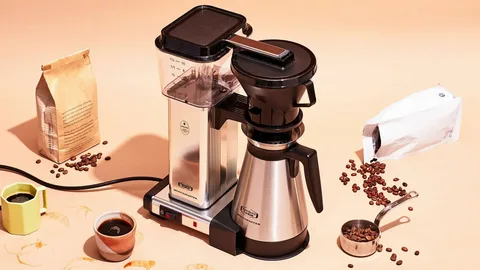
Decades later, in 1954, Gottlob Widmann in Germany patented the Wigomat, one of the first electric drip brewers, automating the process previously done manually. This was a significant step, paving the way for the widespread adoption of drip coffee makers. The 1970s marked another pivotal moment with the introduction of the Mr. Coffee machine in the United States, which made automatic drip brewing accessible and affordable for every household, largely replacing the often over-extracting percolator.
While early models focused on capacity, the late 20th and early 21st centuries saw a growing demand for efficiency and space-saving solutions. As kitchens shrunk and mobility increased, manufacturers began to innovate, shrinking the technology into smaller, more streamlined units. The compact drip coffee maker is the direct descendant of this evolution, blending the proven brewing principles with a design ethos centered around minimalism and convenience, without compromising on taste.
Why Choose a Compact Drip Coffee Maker?
Opting for a compact drip coffee maker isn’t just about saving space; it’s about smart brewing for modern lifestyles.
- Space-Saving Design: This is, naturally, the primary allure. Whether you’re in a tiny apartment, a university dorm, an RV, or a cramped office, a compact model fits neatly on your counter, often sliding under cabinets with ease, freeing up valuable workspace.
- Optimal Batch Brewing: Many compact models are designed for 1 to 5 cups, perfect for individuals, couples, or small households. This prevents brewing large, wasteful pots that sit and become stale, ensuring every cup is fresh and flavorful.
- Efficiency: Smaller heating elements and water reservoirs often mean quicker brewing times and, in some cases, greater energy efficiency compared to their larger counterparts. You get your coffee faster, and with less power consumption.
- Portability: Their lightweight and smaller build make many compact brewers ideal for travel, whether you’re taking it on a camping trip or simply moving it from the kitchen to your home office.
Understanding the Technology: How Compact Drip Coffee Makers Work
Despite their diminutive size, compact drip coffee makers operate on the same fundamental principles as their larger siblings, ensuring a consistent and delicious brew.
The process typically begins when you pour cold, fresh water into the reservoir. A heating element quickly brings this water to the optimal brewing temperature, usually between 195°F and 205°F (90°C to 96°C), which is crucial for extracting the best flavors without burning the grounds.
Once heated, the hot water is channeled upwards and then dispersed evenly over the coffee grounds, often through a “showerhead” mechanism. This ensures all the grounds are saturated uniformly, allowing for thorough extraction of the coffee’s rich flavors, aromatic oils, and subtle acids. The water then seeps through the grounds and a filter (either paper or a reusable permanent filter), leaving behind the spent grounds. Finally, the freshly brewed coffee drips down into a small carafe or directly into your waiting mug, ready to be enjoyed.
“The magic of a compact brewer isn’t in reinventing the wheel, but in perfecting the essentials within a smaller package,” notes Marcus Thorne, Head Barista at The Daily Grind. “It’s all about precision heating and even saturation, scaled down for efficiency.”
Popular Types of Compact Drip Coffee Makers
The world of compact drip coffee makers offers diverse options to suit various needs:
- Single-Serve Compact Brewers: These are designed specifically for one cup at a time. Some use pre-packaged coffee pods (like certain Keurig K-Mini Plus models), offering ultimate convenience. Others accommodate ground coffee, allowing you to use your favorite beans and control the strength.
- Small-Batch (3-5 Cup) Drip Brewers: Ideal for couples or individuals who might want a second cup, these brewers strike a balance between a minimal footprint and a slightly larger capacity. Models like the Black+Decker 5-Cup or Capresso 5-Cup are great examples, providing enough coffee for a modest household without occupying excessive counter space.
- Ultra-Portable Manual Options (for context): While not strictly automatic drip machines, manual brewers like the AeroPress or various pour-over drippers are frequently chosen by those prioritizing extreme compactness and portability. They offer excellent coffee quality with a very small footprint but require manual pouring of hot water.
Essential Features to Look for in a Compact Drip Coffee Maker
When selecting your ideal compact drip coffee maker, consider these key features:
- Capacity: Determine if you need a true single-serve machine (4-6 oz) or a small-batch brewer (3-5 cups).
- Footprint & Design: Measure your available counter space. Look for slim profiles, reasonable heights (to fit under cabinets), and designs that complement your kitchen aesthetic. Some even offer cord storage to keep things tidy.
- Programmability: Features like an auto-brew timer mean you can wake up to freshly brewed coffee, while an auto-shutoff provides peace of mind and saves energy.
- Carafe Type:
- Thermal Carafe: These double-walled, insulated carafes keep coffee hot for hours without a heating plate, preventing the “burnt” taste.
- Glass Carafe with Warming Plate: More traditional, but the warming plate can sometimes scorch coffee if left too long.
- Filter Type: Many come with reusable mesh filters, which are eco-friendly and save you money on paper filters. Others use disposable paper filters for easy cleanup.
- Brew Strength Settings: Some advanced compact models offer options for a bolder or milder cup, allowing for customization.
- Ease of Cleaning: Removable water reservoirs, filter baskets, and drip trays make cleanup significantly easier, which is vital for maintaining good hygiene and coffee taste.
Getting the Best Brew: A Usage Guide for Your Compact Drip Coffee Maker
Even the most sophisticated compact machine needs a little help from you to shine. Here’s how to brew an exceptional cup every time:
- Choose Quality Beans: Start with freshly roasted coffee beans. For the best flavor, grind them just before brewing to a medium consistency, similar to coarse sand.
- Water Quality Matters: Coffee is 98% water, so filtered water is crucial. Tap water with impurities can negatively impact the taste of your coffee.
- Correct Coffee-to-Water Ratio: A good starting point is often a 1:15 or 1:17 ratio (e.g., 1 gram of coffee for every 15-17 grams of water). For a 5-cup brewer, this might translate to about 25-30 grams of coffee. Experiment to find your preferred strength.
- Pre-heating (Optional but Recommended): Briefly rinse your carafe with hot water before brewing. This prevents the freshly brewed coffee from cooling down too quickly upon contact with a cold carafe.
- Regular Cleaning: A clean machine is a happy machine. Rinse the filter basket and carafe after each use.
Maintenance and Care for Longevity
To ensure your compact drip coffee maker continues to deliver delicious coffee for years, a consistent care routine is essential:
- Daily Cleaning: After brewing, empty and rinse the filter basket and carafe thoroughly. Wipe down any exterior splashes.
- Weekly Cleaning: Give the exterior a quick wipe-down with a damp cloth. If your machine has a removable water reservoir, wash it with warm, soapy water.
- Monthly Descaling: Mineral buildup from water can impair your machine’s performance and flavor. Descale your coffee maker monthly (or more frequently if you have hard water) using a vinegar solution (equal parts white vinegar and water) or a commercial descaling agent. Run a full cycle with the solution, then run 2-3 cycles with plain water to rinse.
- Proper Storing: When not in use, ensure your machine is dry and stored in a cool, dry place. If it has a cord storage feature, utilize it to keep your counter tidy and prevent damage.
Compact Drip Coffee Makers vs. Other Brewing Methods
How does a compact drip coffee maker stack up against other popular brewing methods?
- Vs. Full-Size Drip Coffee Makers: The fundamental brewing principle is identical. The main difference lies in capacity and physical size. Compact models sacrifice batch size for space-saving, making them ideal for fewer drinkers.
- Vs. Pod Machines: Compact drip brewers using ground coffee offer greater flexibility in coffee choice and are often more eco-friendly (less single-use plastic). Pod machines excel in sheer speed and ultimate convenience but can limit coffee options and generate more waste.
- Vs. Pour-Over: A compact drip coffee maker offers automation and hands-free convenience, while pour-over requires manual control over water flow and temperature, appealing to those who enjoy the ritual and fine-tuning.
Expert Tips for Elevating Your Compact Drip Coffee Experience
Even with a small machine, you can achieve extraordinary coffee.
- Grind Fresh, Grind Right: A burr grinder will provide a consistent grind size, which is key for optimal extraction. Adjust the grind slightly coarser for a smoother taste, finer for more intensity.
- Experiment with Ratios: Don’t be afraid to slightly adjust your coffee-to-water ratio. A little more coffee can yield a bolder cup, while a little less can highlight subtler notes.
- Serve Immediately: Drip coffee is at its peak flavor right after brewing. If your machine has a thermal carafe, it will keep it hot, but aim to enjoy it within the hour.
- Consider Specialty Beans: Don’t limit your compact brewer to basic blends. Explore single-origin beans and specialty roasts; your machine is capable of showcasing their unique characteristics.
“For coffee to truly shine, regardless of the brewer’s size, it’s about the quality of the ingredients and the freshness of the grind,” advises Eleanor Vance, a CoffeeMaster Certified Brewer. “A compact machine doesn’t mean compact flavor, it means focusing on the fundamentals.”
Frequently Asked Questions
Q: Are compact drip coffee makers as good as full-size ones?
A: Absolutely! Many compact drip coffee makers utilize the same brewing technology as their larger counterparts, often meeting Specialty Coffee Association (SCA) standards for optimal brewing temperature and extraction. The main difference is capacity, not necessarily quality.
Q: How much counter space do compact drip coffee makers typically save?
A: Compact models can save significant counter space, often being only 5-8 inches wide and designed to fit snugly against walls or under cabinets. Their slim profiles are a game-changer for small kitchens or desks.
Q: Can I use coffee pods in a compact drip coffee maker?
A: Most traditional compact drip coffee makers are designed for ground coffee. However, there are specific “single-serve” compact coffee makers that use pods (like K-Cups) or have attachments for them. Always check the product specifications.
Q: What’s the ideal water temperature for brewing coffee in a compact drip coffee maker?
A: The ideal brewing temperature for any drip coffee maker, including compact ones, is between 195°F and 205°F (90°C to 96°C). This temperature range ensures optimal flavor extraction.
Q: How often should I descale my compact coffee maker?
A: It’s recommended to descale your compact drip coffee maker monthly, especially if you live in an area with hard water. Regular descaling prevents mineral buildup and maintains your machine’s performance and the taste of your coffee.
Q: Are thermal carafes better than glass carafes for compact models?
A: Thermal carafes are generally preferred because they keep coffee hot for longer without needing a warming plate, thus preventing the coffee from developing a “burnt” or bitter taste. Glass carafes with warming plates are common, but the prolonged heat can degrade coffee quality over time.
Conclusion
The compact drip coffee maker is more than just a space-saving appliance; it’s a testament to thoughtful design and the enduring pursuit of the perfect cup. For those who value freshness, flavor, and efficiency without sacrificing precious counter space, these machines offer an unbeatable combination.
Embrace the compact brewing revolution. With the right machine and a few simple tips, you can transform your daily coffee ritual into an effortless delight, proving that big flavor truly can come in a small package. Your ideal cup, perfectly brewed and always fresh, awaits.