There’s a certain magic that happens when you press a button and the rich aroma of freshly brewed coffee fills your kitchen. For countless coffee lovers, the Electric Drip Coffee Maker is more than just an appliance; it’s the reliable orchestrator of their morning ritual, a silent promise of convenience and a consistently delightful cup. As a seasoned veteran in the specialty coffee industry, I’ve witnessed the incredible evolution of these machines, understanding them not just as pieces of technology, but as gateways to a better daily experience. Whether you’re a casual sipper or a dedicated enthusiast, understanding the nuances of your electric drip coffee maker can transform your daily brew from good to truly exceptional.
A Journey Through Time: The Evolution of Your Daily Electric Drip Coffee Maker
The story of the electric drip coffee maker is one of ingenuity born from a desire for a cleaner, more consistent brew. Before these convenient devices graced our countertops, coffee lovers wrestled with percolators that often over-extracted, leading to bitter results, or manual pour-over methods that demanded precision and time. The journey began subtly in 1908 when German housewife Melitta Bentz, dissatisfied with the muddy grounds in her coffee, punched holes in a brass pot and used blotting paper as a filter, birthing the concept of drip filtration.
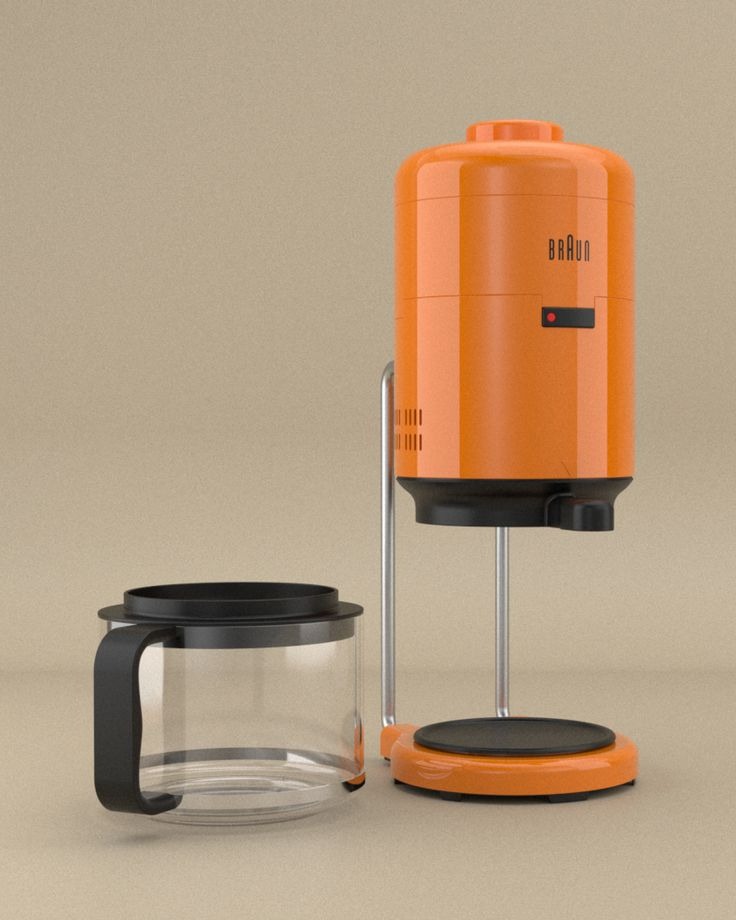
Fast forward to 1954, and the first electric drip coffee maker, the Wigomat, patented by Gottlob Widmann in Germany, stepped onto the scene. This groundbreaking invention automated the heating and dripping process, a significant leap forward. However, it was the introduction of the iconic Mr. Coffee machine in 1972 by American engineer Vincent Marotta and his partner Samuel Glazer that truly revolutionized home brewing in North America. Endorsed by baseball legend Joe DiMaggio, Mr. Coffee made automatic drip brewing a household staple, popularizing the idea that consistent, quality coffee could be effortless.
Since then, electric drip coffee makers have undergone continuous innovation, integrating digital controls, programmable timers, thermal carafes, and even built-in grinders. They’ve moved from simple functional tools to sophisticated appliances designed to meet the Specialty Coffee Association (SCA) Gold Cup standards, ensuring optimal brewing temperatures and extraction times.
Unpacking the Magic: How Electric Drip Coffee Makers Work
At its heart, an electric drip coffee maker is a marvel of simple, yet effective, engineering. It efficiently transforms cold water and ground coffee into a hot, flavorful beverage through a process that’s mostly automated. Understanding these mechanics can help you appreciate your machine and troubleshoot any brewing quirks.
The fundamental components include:
- Water Reservoir: This is where you pour your cold water.
- Heating Element: Usually an aluminum tube with a resistive heating coil, this component rapidly heats the water to the ideal brewing temperature.
- Pump/Thermosiphon: As water heats, it creates steam pressure, which, combined with a one-way valve, forces the hot water up a tube. This is what creates that familiar gurgling sound during brewing [4, 5 – how it works queries].
- Showerhead: Located above the filter basket, this disperses the hot water evenly over the coffee grounds, ensuring uniform saturation and extraction [2, 3 – how it works queries].
- Filter Basket: This holds your coffee grounds and the filter (either paper or reusable mesh).
- Carafe: Placed below the filter basket, this collects the freshly brewed coffee. It can be glass, often sitting on a warming plate, or insulated (thermal) to keep coffee hot without continued heating.
The science behind a great cup is all about extraction. The ideal brewing temperature for an electric drip coffee maker is between 195°F and 205°F (90-96°C) [2, 3 – how it works queries]. This temperature range is crucial for dissolving the desirable compounds from the coffee grounds without extracting bitter, undesirable ones. The total contact time between water and grounds, usually between 4 to 8 minutes depending on the grind size, is also key for optimal flavor development [2 – how it works queries]. Machines that meet these rigorous standards often receive SCA certification, a hallmark of quality brewing.
Your Perfect Match: Popular Types and Features of Electric Drip Coffee Makers
The world of electric drip coffee makers is diverse, offering a model for every lifestyle and preference. Choosing the right one means understanding the features that truly matter to you.
Types of Electric Drip Coffee Makers:
- Standard Models: These are your straightforward, no-frills machines. They focus on the basics: heating water, dripping it over grounds, and delivering coffee. They’re typically affordable and reliable.
- Programmable Models: For those who crave convenience, these machines allow you to set a timer the night before, waking up to the enticing aroma of a fresh pot. Features like “auto-start” are a game-changer for busy mornings [1, 4 – buying guide queries].
- Single-Serve Options: While many single-serve machines use pods, some electric drip models are designed to brew directly into your mug, ideal for individuals who only need one cup and want to avoid waste [1, 4 – buying guide queries].
- Advanced Feature Models: These are the high-performers, often incorporating thermal carafes, built-in grinders, precise temperature controls, and even smart technology that can be controlled via an app [1, 4 – buying guide queries].
Key Features to Consider:
- Carafe Type: Glass carafes are classic and let you see your coffee, but they usually sit on a hot plate that can “cook” or burn coffee if left on too long [2, 3 – best drip makers queries]. Thermal carafes, on the other hand, are insulated to keep coffee hot for hours without a heating element, preserving flavor [3, 4, 5 – best drip makers queries, buying guide queries].
- Brew Strength Control: Many electric drip coffee makers offer settings like “bold,” “rich,” or “strong” to adjust the brewing parameters for a more intense flavor [1, 2 – best drip makers queries].
- Bloom Cycle/Pre-infusion: This feature mimics a professional barista’s technique by briefly saturating the coffee grounds with hot water before the full brew begins. This allows the coffee to “bloom,” releasing trapped gases and enhancing flavor extraction [4, 5 – buying guide queries].
- Water Filtration: Some machines include built-in water filters to improve taste and reduce mineral buildup, prolonging the life of your appliance [1 – history queries].
- Capacity: Electric drip coffee makers range from small 4-cup brewers perfect for one or two people to larger 12-14 cup models suitable for families or entertaining [2, 4 – how to use queries].
The Art of the Brew: A Detailed Guide to Using Your Electric Drip Coffee Maker
Using an electric drip coffee maker is generally straightforward, but a few key steps and tips can elevate your daily cup from good to truly great.
Step-by-Step Instructions for Daily Brewing:
- Cleanliness First: Before you even think about coffee, ensure your carafe and filter basket are clean and free of old grounds or oil residue [1, 2 – how to use queries]. A quick rinse with warm water is often enough for daily maintenance.
- Water Matters: Fill the water reservoir with fresh, cold, filtered water [1, 2, 3 – how to use queries]. Coffee is 98% water, so the quality of your water directly impacts the taste of your brew. Avoid pouring water directly into the filter basket [4 – how to use queries].
- Filter Placement: Place a paper filter or your reusable filter into the brew basket. If using a paper filter, I always recommend giving it a quick rinse with hot water beforehand to remove any papery taste. Just remember to discard the rinse water before adding coffee grounds! [1, 2 – how to use queries, tips for brewing queries]
- The Golden Ratio & Grind: For most electric drip coffee makers, a medium grind, similar to sea salt, is ideal [2 – how to use queries, tips for brewing queries]. As for quantity, a good starting point is the “golden ratio”: 1 to 2 tablespoons of ground coffee for every 6 ounces (180ml) of water [1, 2, 3, 5 – how to use queries, tips for brewing queries]. Adjust this to your taste for a stronger or milder brew.
- Assembly and Initiation: Secure the brew basket, close the lid, and ensure the carafe is properly placed on the warming plate (if applicable). Plug in your machine and press the “brew” or “on” button.
- The Wait and the Pour: Allow the machine to complete its full brewing cycle, which typically takes 5-10 minutes [3 – how to use queries]. Pour yourself a cup and savor the moment!
Pro Tips for Enhancing Your Electric Drip Brew:
“The secret to consistently great coffee isn’t just a fancy machine; it’s about respecting the bean and the basics,” advises Clara Johnson, a renowned coffee consultant. “Freshness, quality water, and proper grind make all the difference.”
- Grind Fresh: Invest in a good burr grinder and grind your beans just before brewing. Pre-ground coffee loses its flavor rapidly [1, 2, 3 – tips for brewing queries].
- Bloom Your Coffee: If your machine has a “bloom” or “pre-infusion” setting, use it. If not, you can manually pour a small amount of hot water over the grounds, wait 30 seconds, then start the brew cycle. This helps degas the coffee, leading to a more even extraction [1, 2, 4 – buying guide queries].
- Pre-heat Your Carafe: If you’re using a glass carafe, pre-heating it with hot water before brewing can help keep your coffee warmer for longer [1 – tips for brewing queries].
Keeping It Pristine: Maintenance and Cleaning for Longevity
A clean electric drip coffee maker isn’t just about aesthetics; it’s vital for delicious coffee and the longevity of your machine. Coffee oils can build up, becoming rancid and imparting a bitter, stale taste to your brew [2, 3 – cleaning queries]. Mineral deposits from water (limescale) can also clog internal components, slowing down brewing and affecting water temperature [2, 3 – cleaning queries].
Daily Care:
After each use, simply wash the removable parts – the carafe, its lid, and the filter basket – with warm, soapy water. Many are dishwasher-safe, but always check your manufacturer’s instructions [1, 2, 3 – cleaning queries]. Leave the water reservoir lid open to allow it to air dry, preventing mold and mildew growth [2, 3 – cleaning queries].
The Deep Clean (Descaling):
Decalcifying your electric drip coffee maker is crucial and should be done every 1 to 3 months, or more frequently if you have hard water [1, 2, 3, 4 – cleaning queries].
- Prepare the Solution: Remove any water filter from the reservoir. Fill the water reservoir with equal parts white vinegar and water [2, 3, 4 – cleaning queries].
- Run a Cycle: Place a paper filter (or your clean reusable filter) in the basket and position the empty carafe. Initiate a brew cycle. Midway through, turn off the machine and let it sit for 30-60 minutes, allowing the vinegar to work on the mineral deposits [2, 4 – cleaning queries].
- Finish & Rinse: Turn the machine back on to complete the cycle. Discard the vinegar solution. Now, run 2-3 full cycles with fresh, clean water to thoroughly rinse out any vinegar residue. You don’t want your morning coffee tasting like a salad dressing! [1, 2, 3, 5 – cleaning queries]
- Final Wash: Wash the carafe and filter basket again with warm, soapy water.
Beyond the Drip: Comparing Electric Drip Coffee Makers to Other Brewing Methods
While the electric drip coffee maker offers undeniable advantages, it’s helpful to understand how it stacks up against other popular brewing methods like French press and pour-over, especially for those considering expanding their coffee horizons.
- Electric Drip Coffee Maker:
- Pros: Unbeatable convenience, high consistency, allows for large batch brewing, and with a paper filter, produces a clean cup free of sediment and excess oils [1, 2, 3 – comparison queries]. “For busy mornings, the electric drip is my MVP,” says renowned barista, Marcus Chen. “It consistently delivers without demanding my full attention.”
- Cons: Less control over brewing variables compared to manual methods, and some basic models might not reach ideal brewing temperatures [2, 5 – comparison queries].
- French Press:
- Pros: Produces a rich, full-bodied, and bold cup of coffee by fully immersing the grounds in water. It retains more of the coffee’s natural oils and fine particles, contributing to a heavier mouthfeel [1, 2, 3, 4 – comparison queries].
- Cons: Often results in a “muddy” cup with sediment, requires more manual steps (grinding, steeping, pressing), and it’s easier to make an inconsistent brew if grind size or steep time isn’t precise [1, 3 – comparison queries].
- Pour Over:
- Pros: Offers the most control over every aspect of the brew, from water temperature to pour rate, allowing for a bright, clean cup that highlights subtle flavor notes. It’s a highly engaging and ritualistic brewing experience [1, 2, 5 – comparison queries].
- Cons: Time-consuming, requires specialized equipment (gooseneck kettle, scale), and a higher level of skill and attention [1, 3 – comparison queries].
For those prioritizing ease, consistency, and a clean cup without fuss, the electric drip coffee maker remains a stellar choice.
Elevating Your Cup: Expert Tips for Brewing Delicious Coffee
Beyond the mechanics and maintenance, mastering your electric drip coffee maker involves a few expert insights that can significantly improve your coffee experience.
- The Freshest Beans are Key: This cannot be stressed enough. Always opt for fresh, high-quality whole beans. Look for roast dates and aim to use beans roasted within the last two weeks [1, 2 – tips for brewing queries]. “Starting with exceptional beans is half the battle won,” notes coffee expert, Dr. Evelyn Reed.
- Grind Matters: A medium grind is generally recommended for electric drip coffee makers [1, 3 – tips for brewing queries]. If the grind is too fine, it can lead to over-extraction and bitterness; too coarse, and your coffee might be weak and under-extracted [2 – buying guide queries].
- Filtered Water, Always: Tap water, especially if it’s hard or chlorinated, can negatively impact your coffee’s flavor. Using filtered water ensures a cleaner taste and helps prevent mineral buildup in your machine [1, 2, 3 – tips for brewing queries].
- Master the Ratio: While 1-2 tablespoons per 6 ounces is a guideline, experiment to find your personal “golden ratio.” If your coffee tastes weak, use more coffee; if it’s too strong or bitter, use less [1, 2 – tips for brewing queries].
- Keep it Warm, Don’t Cook it: If you have a glass carafe on a warming plate, try to drink your coffee within 20-30 minutes of brewing. Prolonged exposure to the hot plate can “stew” the coffee, leading to a burnt taste. Thermal carafes are excellent for keeping coffee hot without continued heating [1, 4 – tips for brewing queries].
- Avoid Over-Extraction: If your coffee tastes overly bitter, it might be over-extracted. This can happen if the grind is too fine, the brew time is too long, or the water temperature is too high. Adjusting these factors can help [1 – tips for brewing queries, buying guide queries].
- A Pinch of Salt? Believe it or not, a tiny pinch of salt added to your coffee grounds can help balance out acidity and reduce bitterness, enhancing the overall flavor profile [1 – tips for brewing queries]. It’s a surprising but effective trick worth trying!
Frequently Asked Questions (FAQ)
What is the ideal temperature for brewing coffee in an electric drip coffee maker?
The ideal brewing temperature for an electric drip coffee maker is between 195°F and 205°F (90-96°C). This range ensures optimal extraction of flavorful compounds from the coffee grounds without extracting undesirable bitter notes or leaving the coffee under-extracted. [2 – how it works queries, 5 – buying guide queries]
How often should I clean my electric drip coffee maker?
You should rinse the removable parts (carafe, lid, filter basket) with warm, soapy water after each use. For a deeper clean and descaling to remove mineral buildup, aim to clean your electric drip coffee maker every 1 to 3 months, or more frequently if you have hard water. [1, 2, 3, 4 – cleaning queries]
Can I use pre-ground coffee, or should I grind my own?
While pre-ground coffee can be used in an electric drip coffee maker for convenience, grinding your own fresh whole beans just before brewing is highly recommended. Freshly ground coffee retains more of its volatile aromatic compounds, resulting in a significantly brighter and more flavorful cup. [1, 2, 3 – tips for brewing queries]
What is the best coffee-to-water ratio for an electric drip coffee maker?
A widely accepted “golden ratio” for brewing coffee is 1 to 2 tablespoons of ground coffee for every 6 ounces (180ml) of water. This can be adjusted based on your personal preference for coffee strength. For precise measurement, a 1:16 coffee-to-water ratio (by weight) is often recommended by specialty coffee professionals. [1, 2, 3, 5 – how to use queries]
Why does my drip coffee taste bitter or weak?
Bitter coffee often indicates over-extraction, which can be caused by a grind that’s too fine, water that’s too hot, or too long a brew time. Weak coffee, conversely, suggests under-extraction, possibly due to a grind that’s too coarse, water that’s not hot enough, or an insufficient coffee-to-water ratio. Adjusting these variables can help achieve your desired flavor profile. [2 – buying guide queries]
The Last Drop: Your Journey to Drip Coffee Mastery
The electric drip coffee maker has come a long way, evolving from a simple convenience to a sophisticated instrument capable of brewing truly exceptional coffee. By understanding its history, appreciating its technology, and applying these expert tips on usage, maintenance, and brewing, you’re not just making coffee; you’re crafting an experience. So, go forth, experiment with your beans, dial in your settings, and enjoy the rich, nuanced world that your trusty electric drip coffee maker unlocks every single day. Here’s to many more perfect cups!