For countless coffee lovers, the morning ritual begins with that intoxicating aroma wafting through the kitchen. But when it comes to brewing the perfect cup, a classic dilemma often arises: should you opt for the bold intensity of espresso or the comforting familiarity of drip coffee? As a seasoned Drip Coffee Maker consultant with a passion for specialty coffee, I understand this choice isn’t just about a machine; it’s about defining your daily coffee experience. Let’s delve deep into the world of Espresso And Drip Coffee Maker differences, explore their unique characteristics, and help you find your ideal brewing companion.
A Tale of Two Brews: Understanding the Core Differences
At its heart, the distinction between espresso and drip coffee lies in their fundamental brewing philosophy. While both harness the magic of coffee beans and hot water, their approaches yield vastly different results in your cup.
The Heart of the Matter: Brewing Method and Pressure
Imagine two distinct paths to extraction. Espresso, a marvel of 19th-century innovation, relies on brute force and precision. An espresso machine rapidly forces hot water (typically 195-205°F) through a tightly packed, finely ground puck of coffee at high pressure—around 9 bars is common, with some machines boasting up to 15 bars. This intense process extracts a concentrated shot, usually 1 to 2 ounces, in a mere 25 to 40 seconds. The result is a viscous, potent brew topped with a beautiful, reddish-brown foam called “crema,” a hallmark of true espresso.
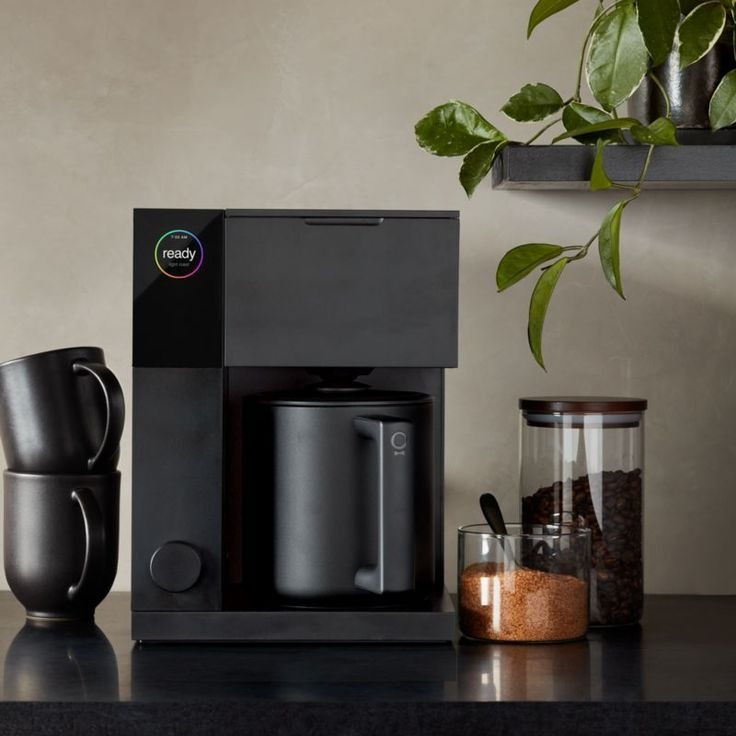
Drip coffee, on the other hand, embraces a more serene and gravity-driven method. Hot water is gently dripped over a bed of coarser coffee grounds held in a filter. Gravity then pulls the water slowly through the grounds, extracting flavors as it passes into a carafe below. This process takes longer, typically 5 to 10 minutes, and produces a larger volume of coffee with a milder, more delicate profile.
Flavor and Intensity: A Symphony for Your Palate
The brewing method directly translates into distinct flavor profiles. Espresso is a bold declaration, intensely flavored, concentrated, and full-bodied. It boasts a rich, roasted taste with often complex notes, and its characteristic crema contributes to a velvety mouthfeel that many describe as almost syrupy. This concentration makes espresso the perfect base for milk-based drinks like lattes, cappuccinos, and macchiatos.
Drip coffee, in contrast, offers a more subtle and balanced experience. It’s typically milder, smoother, and less concentrated, with a lighter body and a simpler, cleaner flavor profile. This makes it ideal for those who prefer to savor a larger cup of black coffee or enjoy it with a splash of milk and sugar without overwhelming the palate.
Caffeine Content: The Real Buzz
Here’s where a common misconception often brews. Many believe espresso contains significantly more caffeine than drip coffee. And while it’s true that per ounce, espresso packs a more potent punch, the serving sizes tell a different story. A standard 1-ounce shot of espresso typically contains around 63 milligrams of caffeine. However, a regular 8-ounce cup of drip coffee can contain anywhere from 95 to 165 milligrams, depending on the bean and brewing duration. So, if you’re looking for a sustained jolt of energy from a single serving, a cup of drip coffee often delivers more total caffeine than a single espresso shot. It’s all about volume!
As Marcus Thorne, a renowned Coffee Chemist, often says, “Many assume more caffeine means a ‘better’ kick, but the truth is, a large mug of drip often delivers more total caffeine than a single espresso shot. It’s about how you want that energy delivered – a swift punch or a sustained hum.”
From Bean to Brew: The Journey with Each Machine
Beyond the fundamental differences in brewing, the entire coffee journey, from grinding to serving, varies significantly between an espresso and drip coffee maker.
Grinding Matters: The Foundation of Flavor
The grind size is paramount for both methods, directly impacting extraction and flavor. For espresso, an ultra-fine, almost powdery grind (somewhere between table salt and flour) is essential. This fine grind allows the high-pressure water to extract maximum flavor in a short time, creating that intense shot.
Drip coffee demands a coarser grind—medium to coarse, resembling sea salt. If the grind is too fine for drip coffee, it can lead to over-extraction, resulting in a bitter, astringent taste. Conversely, a grind that’s too coarse will lead to under-extraction and a weak, watery brew.
Operation and User Experience
Espresso machines often cater to the home barista who enjoys a hands-on approach. They typically involve more manual control over parameters like grind size, tamping pressure, and extraction time. This can mean a steeper learning curve but also offers immense satisfaction once mastered. It’s a ritual for many, a dance between precision and passion.
Drip coffee makers, conversely, are the champions of convenience. Often featuring one-touch brewing, programmable timers, and simple operation, they are designed for ease of use. You can often set it up the night before and wake up to a freshly brewed pot, making them a staple in busy households.
Maintenance and Longevity
Both machines require proper care to ensure longevity and optimal performance, but the type of maintenance differs. Espresso machines, with their intricate pressure systems, demand more diligent cleaning. Regular descaling to prevent mineral buildup and daily cleaning of the portafilter, group head, and steam wand are crucial.
Drip coffee makers are generally lower maintenance. Regular cleaning of the carafe and filter basket, along with periodic descaling, is usually sufficient. Their simpler mechanics often make them quite robust and long-lasting.
The All-in-One Solution: Combination Espresso and Drip Coffee Makers
For those who crave both the robust strength of an espresso and the steady comfort of a drip coffee, combination machines offer an appealing solution. These versatile appliances are designed to provide the best of both worlds, saving counter space and often streamlining your morning routine.
What makes them special? These machines typically integrate components for both brewing methods into a single unit. Many feature dual heating systems, allowing you to brew a pot of drip coffee and pull an espresso shot simultaneously. Built-in milk frothers are also a common and welcome addition, enabling you to craft lattes and cappuccinos alongside your morning pot of Joe.
Popular models like the De’Longhi All-in-One Combination Coffee Maker & Espresso Machine, the Ninja Luxe Café, and Espressione Stainless Steel Espresso and Coffee Maker are excellent examples of this versatility. Some advanced combo machines, like the Ninja Luxe Café, even expand their capabilities to include rapid cold brew or other specialty beverages, making them true multi-functional hubs for your kitchen. While some might argue about potential compromises in quality compared to dedicated machines, many modern combination units deliver remarkably high-quality results for both espresso and drip.
Choosing Your Coffee Companion: Which Machine is Right for You?
The decision between an espresso and drip coffee maker, or a combination unit, ultimately comes down to your personal preferences, lifestyle, and how you envision your ideal coffee experience.
- Consider Your Lifestyle: Are you rushing out the door and need a quick, no-fuss pot of coffee? A drip coffee maker’s programmability might be your best friend. Do you have a few extra minutes each morning to engage in the art of espresso making? A dedicated espresso machine could be your meditative ritual. If you want both without clutter, a combination machine fits the bill.
- Taste Preferences: Do you crave intense, concentrated flavors, often with milk, or do you prefer a milder, smoother brew to sip on throughout the morning? Your palate is the ultimate judge.
- Drink Variety: Are you a straight-black-coffee purist, or do you dream of crafting elaborate lattes, cappuccinos, and other specialty drinks at home? Espresso is essential for the latter.
- Budget and Counter Space: Dedicated espresso machines can range from affordable to significant investments, and some have a larger footprint. Drip coffee makers are generally more budget-friendly. Combination machines offer efficiency in space and cost, bundling functionalities.
Expert Tips for Both Espresso and Drip Coffee Perfection
No matter which machine you choose, a few universal truths apply to achieving coffee nirvana.
- Quality Beans are King: Always start with high-quality, freshly roasted coffee beans. The better the raw ingredient, the better your final cup will be.
- Grind Fresh, Every Time: Investing in a good burr grinder is crucial. Grinding your beans just before brewing preserves the volatile aromatic compounds, leading to a significantly more flavorful cup, whether it’s espresso or drip.
- Water Quality Matters: Coffee is 98% water. Using filtered water free from impurities or strong odors will allow the true flavors of your coffee to shine through.
- Experimentation is Key: Don’t be afraid to experiment with your coffee-to-water ratios, grind size within the recommended range, and even brew times. Every bean is unique, and finding its sweet spot is part of the fun.
“As a barista for over a decade,” shares Elara Vance, Master Barista and Coffee Educator, “I’ve seen countless brewing trends come and go, but the fundamental difference between espresso and drip boils down to how we respect the bean’s journey – one a rapid, intense extraction, the other a gentle, patient cascade.”
Frequently Asked Questions about Espresso and Drip Coffee Makers
Can a drip coffee maker make espresso?
No, a drip coffee maker cannot produce true espresso. Espresso requires high pressure (typically 9 bars or more) that drip makers simply aren’t designed to generate. While you can make a strong coffee with a drip machine by adjusting the grind and coffee-to-water ratio, it will lack the characteristic crema and intense, concentrated flavor of authentic espresso.
Which machine is easier to clean?
Generally, drip coffee makers are easier to clean and maintain than espresso machines. Drip machines typically require regular cleaning of the carafe and filter basket, plus periodic descaling. Espresso machines, with their high-pressure systems and milk frothers, demand more detailed daily cleaning, including backflushing and steaming wand purges, along with consistent descaling.
Do combo machines compromise on quality?
Modern combination espresso and drip coffee makers have come a long way. While some budget models might have compromises, many high-quality combination units, such as those from De’Longhi or Ninja, are capable of producing excellent results for both espresso and drip coffee. They offer a great balance of convenience, versatility, and performance, often with features like dual heating systems and integrated frothers.
What kind of beans should I use for each?
You can technically use the same coffee beans for both, but the roast level and grind size will vary. Espresso often benefits from medium to dark roasts that can stand up to the intense extraction, while drip coffee works well with a wider range of roasts. The critical factor, as always, is the precise grind size for each method.
Is espresso healthier than drip coffee?
Neither is inherently “healthier” than the other; it largely depends on individual consumption habits and additions (sugar, milk). Both offer antioxidants. As for caffeine, while espresso is more concentrated per ounce, a standard serving of drip coffee often contains more total caffeine. It comes down to your preference for concentration and volume.
The CoffeeMaster’s Verdict: Elevate Your Home Brewing
The world of coffee brewing is rich and diverse, offering a spectrum of experiences for every palate and lifestyle. Whether you’re drawn to the intense, velvety embrace of espresso, the comforting warmth of a large mug of drip coffee, or the versatile convenience of an all-in-one espresso and drip coffee maker, the right choice enriches your daily life. Understand the nuances, invest in quality beans and a good grinder, and don’t be afraid to explore. By doing so, you’ll not only elevate your home brewing but also deepen your appreciation for this incredible beverage, transforming your kitchen into your very own CoffeeMaster café. Happy brewing!