Step into any specialty coffee shop, and you might spot a magnificent, almost sculptural apparatus, quietly working its magic, drip by mesmerizing drip. This is often the Slow Drip Coffee Maker, a device that transforms ordinary coffee beans into a beverage of extraordinary depth and smoothness. For true coffee enthusiasts, the slow drip method isn’t just about brewing a drink; it’s a patient art form, a dedication to extracting the most nuanced and delightful flavors possible. As someone who’s spent over 15 years immersed in the world of specialty coffee, I can tell you that understanding and mastering the slow drip coffee maker can truly elevate your home brewing experience, turning every cup into a serene ritual.
The Allure of the Slow Drip Coffee Maker: A Taste of Perfection
The story of the slow drip coffee maker, often known as Kyoto-style cold brew, is steeped in a rich history that traces back centuries to Japan. While hot drip coffee found its footing in early 20th-century Germany with the invention of paper filters by Melitta Bentz, the cold slow drip method has a distinct lineage. Legend has it that Dutch traders first brought cold brewing techniques to Japan in the 1600s, seeking a way to make coffee without requiring “dangerous fire” on their ships. Over time, Japanese ingenuity refined this method, evolving it into the elegant, slow-drip tower systems we see today, prized for their ability to produce a cold brew with unmatched clarity and a uniquely refined taste. This method extracts coffee drop-by-drop, differing fundamentally from immersion-based cold brew and quickly gaining a reputation for its smooth, low-acid, and subtle flavor profiles.
Unpacking the Magic: How a Slow Drip Coffee Maker Works
At its heart, a slow drip coffee maker is a marvel of simplicity and precision, relying on gravity and time rather than heat. The typical setup involves three distinct sections, often arranged in an impressive tower design.
First, you have the upper water chamber, where cold, often ice-cold, water is placed. Below this sits the middle coffee chamber, housing your freshly ground coffee. This chamber usually includes a filter, often paper or a fine metal mesh, to ensure a clean extraction. Finally, at the very bottom, is the lower collection carafe, where the exquisite coffee concentrate slowly gathers.
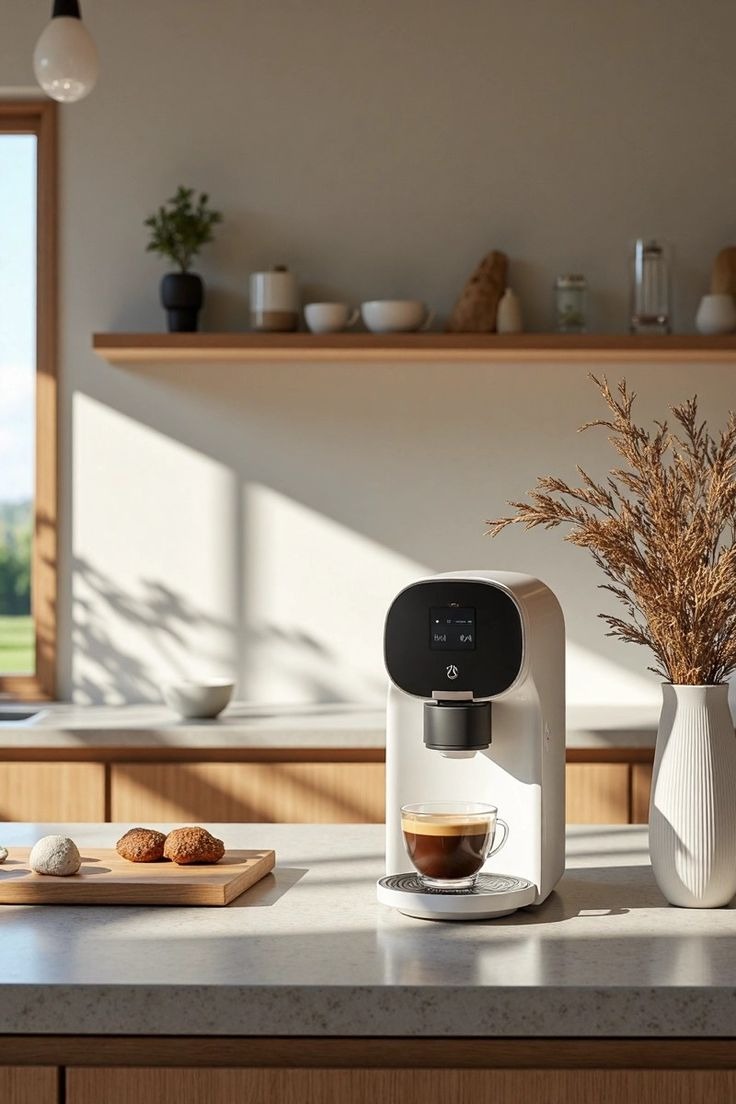
The magic begins when a valve on the upper chamber is adjusted to release water at a painstakingly slow rate—typically one drip every few seconds. This cold water then slowly, deliberately, passes through the bed of coffee grounds. As each tiny drop makes its journey, it gently saturates the grounds, dissolving the soluble compounds responsible for coffee’s flavor and aroma. Because cold water extracts flavors differently than hot water, it leaves behind many of the bitter acids and oils, resulting in a remarkably smooth and sweet concentrate. The entire process is a continuous, controlled percolation, taking anywhere from 3 to 12 hours, or even up to 24 hours for traditional Japanese-style towers. It’s a testament to patience, yielding a concentrate that’s intensely flavorful and ready to be enjoyed.
Varieties of Slow Drip Coffee Makers
When we talk about slow drip coffee makers, the image that often springs to mind is the classic Kyoto-style glass tower. These magnificent pieces of equipment are both functional and artistic, commanding attention in any kitchen. Brands like Yama Glass and Hario are renowned for their elegant designs, featuring adjustable drip valves that allow for precise control over the brewing rate.
However, the category isn’t limited to just these grand towers. You can also find more compact and sometimes more affordable versions that still utilize the same slow percolation principle. Some modern automatic drip coffee makers even offer “cold brew” settings that mimic this slow, low-temperature extraction, though they typically still use some level of heat and are not true cold drip systems. For the purist, the manual, gravity-fed cold drip towers remain the gold standard, offering the most control and the truest expression of the slow drip method. When choosing a slow drip coffee maker, consider the capacity, material (glass is common for aesthetics and purity, but some plastics are also used), and, crucially, the precision of its drip rate adjustment mechanism.
Your First Brew: A Step-by-Step Guide to Using a Slow Drip Coffee Maker
Embracing the slow drip method is a journey into patient craftsmanship. Here’s how to get started:
- Grinding the Beans: Start with high-quality, fresh coffee beans. For slow drip, a medium-coarse grind is ideal, similar to what you’d use for a French press or a regular drip coffee maker, but perhaps a touch finer. Avoid fine grinds, as they can impede water flow and lead to over-extraction.
- Setting Up the Filter and Grounds: Place a paper or reusable metal filter in the coffee grounds chamber. Distribute your freshly ground coffee evenly over the filter. Some recommend gently tamping the grounds, but avoid packing them too tightly. A small, secondary filter paper can be placed on top of the grounds to ensure even water distribution.
- Adding Water (and Ice): Fill the upper water chamber with filtered, cold water. Many enthusiasts add ice directly to this chamber, allowing the melting ice to slowly drip, which maintains a consistently low temperature throughout the long brewing process.
- Adjusting the Drip Rate: This is where precision comes in. Carefully open the drip valve to achieve a steady, slow drip. A good starting point is approximately one drip per second, but you can experiment with slightly slower or faster rates to find your preferred extraction. Remember, consistency is key!
- Patience is a Virtue: Now, let the magic happen. The brewing time can range from 3 to 12 hours or even up to 24 hours. This hands-off process requires patience, but the anticipation only adds to the reward.
- Diluting the Concentrate: Once all the water has passed through and your concentrate has collected in the lower carafe, your slow drip coffee is ready. This concentrate is potent! You’ll typically dilute it with cold water, milk, or ice to achieve your desired strength and taste. A common ratio is 1:1 or 1:2 (concentrate to water/milk), but feel free to experiment.
Navigating the Market: How to Choose Your Ideal Slow Drip Coffee Maker
Selecting the perfect slow drip coffee maker involves balancing aesthetics, functionality, and your personal coffee habits.
- Consider Capacity and Size: Slow drip makers vary in size, from smaller models suitable for a single daily serving to larger towers perfect for entertaining or preparing batches for the week. Measure your available counter space!
- Material Matters: Glass is a popular choice for its visual appeal, allowing you to witness the mesmerizing drip process, and its non-reactive nature ensures a pure flavor. Stainless steel components offer durability, while some models incorporate food-grade plastics.
- Adjustability and Control: A precise and easily adjustable drip valve is crucial. This allows you to fine-tune the extraction rate, which significantly impacts the final flavor profile. Look for clear markings or intuitive controls.
- Ease of Cleaning: Given the multiple chambers and the extended brew time, easy disassembly and cleaning are important considerations. Dishwasher-safe components can be a bonus.
- Budget Considerations: Slow drip coffee makers can range from moderately priced to significant investments, especially for the larger, artisanal glass towers. Determine what features are most important to you and align them with your budget.
Beyond the Brew: Essential Maintenance for Your Slow Drip Coffee Maker
To ensure your slow drip coffee maker continues to deliver exceptional coffee for years to come, regular maintenance is vital.
- Daily Rinsing: After each use, empty and thoroughly rinse the collection carafe, the coffee grounds chamber, and any removable filters with warm, soapy water. This prevents coffee oils and residue from building up and affecting subsequent brews.
- Weekly/Monthly Descaling: Mineral deposits, particularly from hard water, can accumulate in your brewer’s components, hindering performance. Descale your machine monthly if you have hard water, or every 2-3 months for softer water.
- To descale, fill the water chamber with an equal-parts solution of white vinegar and water.
- Run a half brew cycle with this solution, then switch off the machine and let it sit for about an hour.
- Complete the brewing cycle.
- After discarding the vinegar solution, run two full cycles with clean, fresh water to thoroughly rinse out any residual vinegar taste.
- Filter Care: If using paper filters, replace them after each brew. For reusable metal filters, wash them thoroughly with warm, soapy water and ensure they are completely dry before storage.
- Water Quality Impact: Using filtered or bottled water not only enhances the taste of your coffee but also significantly reduces the rate of mineral buildup in your machine, extending the time between descaling sessions.
Slow Drip vs. The Rest: A Brewing Battle
Understanding where the slow drip coffee maker fits into the broader coffee landscape often involves comparing it to its closest relatives, particularly other cold brewing methods.
Compared to immersion cold brew, where coffee grounds are fully steeped in water for 12-24 hours, the slow drip method offers distinct differences:
- Flavor Profile: Slow drip coffee is renowned for its cleaner, brighter, and more aromatic qualities, often revealing delicate and nuanced flavors of the bean. It tends to have a slightly heavier body and a richer, bolder taste profile with deep nuances. Immersion cold brew, while smooth and low in acidity, often has a lighter body, with a more uniform, sweeter, and sometimes floral character, as the long steeping can mute some of the more subtle notes.
- Acidity: Both methods produce significantly less acidic coffee than hot brewing. However, slow drip can sometimes retain a hint more pleasant acidity than immersion cold brew, which contributes to its vibrant flavor.
- Process & Time: Slow drip is a percolation method, with water continuously passing through the grounds over 3-12 hours. Immersion is a steeping method, requiring a longer 12-24 hour contact time. The slow drip method is technically quicker than immersion cold brew.
- Equipment: Slow drip typically requires specialized equipment like a drip tower, offering precise control over the drip rate. Immersion cold brew can be made with simpler equipment, like a jar, French press, or basic pitcher.
While both yield delicious cold coffee concentrates, the slow drip coffee maker excels in bringing out a complex tapestry of flavors, making it a favorite for those seeking the ultimate cold brew experience.
Elevate Your Experience: Expert Tips for the Best Slow Drip Coffee
As a coffee professional, I’ve seen firsthand how small adjustments can lead to big improvements in your brew. Here are some expert tips to get the most out of your slow drip coffee maker:
- Bean Selection and Grind: Always start with high-quality, freshly roasted coffee beans. Experiment with different roasts and origins; a light to medium roast can truly shine with this method, highlighting delicate floral or fruity notes. Ensure your grind is consistent and medium-coarse to allow for optimal extraction without clogging.
- The Power of Water: Water makes up over 98% of your coffee, so its quality is paramount. Use filtered, cold water, ideally with a balanced mineral content. This will not only improve taste but also prevent mineral buildup in your machine.
- Experimentation is Key: Don’t be afraid to play with variables. Adjust the coffee-to-water ratio to find your preferred strength. Tweak the drip rate – a slightly slower drip might extract more complexity, while a slightly faster one could yield a brighter cup. Every bean is different, and every palate is unique.
- Bloom Your Grounds (Carefully): While primarily a hot brewing technique, some slow drip aficionados briefly wet their grounds with a tiny amount of water about 15-30 minutes before starting the main drip. This “blooming” allows trapped gases to escape, potentially leading to more even extraction. Just ensure it doesn’t create a slurry that impedes the drip.
- Serving Suggestions: Slow drip concentrate is incredibly versatile. Enjoy it neat over ice, dilute it with cold water, or mix it with milk for a luxurious iced latte. It also makes a fantastic base for coffee cocktails or desserts.
“The beauty of a slow drip coffee maker lies in its ability to unveil the hidden complexities of a coffee bean. It’s not just brewing; it’s a patient unearthing of flavor, resulting in a clarity and sweetness that few other methods can achieve.” – Amelia Sterling, Master Barista and Coffee Educator.
Frequently Asked Questions About Slow Drip Coffee Makers
What is the ideal grind size for slow drip coffee?
A medium-coarse grind is generally recommended for a slow drip coffee maker. This allows for optimal water flow and extraction without clogging the filter or leading to over-extraction.
How long does it take to brew slow drip coffee?
The brewing time for slow drip coffee can vary significantly, ranging from 3 to 12 hours, and even up to 24 hours for some traditional Kyoto-style setups. The exact duration depends on your drip rate setting, grind size, and desired concentrate strength.
Can I use hot water in a slow drip coffee maker?
While technically possible, a slow drip coffee maker is specifically designed for cold water extraction. Using hot water would significantly alter the flavor profile, likely resulting in a bitter, over-extracted brew and potentially damaging the equipment. Stick to cold water for the best results.
Is slow drip coffee stronger than regular coffee?
Slow drip coffee produces a concentrate, which is indeed much stronger than a typical cup of hot brewed coffee. This concentrate is then diluted with water, milk, or ice to your preferred strength, allowing for a highly customizable and potent beverage.
How often should I clean my slow drip coffee maker?
You should rinse the carafe and grounds chamber daily after each use. A thorough descaling with a vinegar solution should be performed monthly, or more frequently if you have hard water or notice a slower drip rate.
What’s the difference between slow drip and regular cold brew?
The primary difference lies in the brewing method. Slow drip (or cold drip) is a percolation method where cold water slowly drips through coffee grounds. Regular cold brew (immersion method) involves fully steeping coffee grounds in water for an extended period. Slow drip generally yields a cleaner, brighter, and more nuanced flavor profile.
The Patient Pursuit of the Perfect Cup
The slow drip coffee maker is more than just an appliance; it’s an invitation to a more contemplative and rewarding coffee experience. It champions patience, transforming simple beans and cold water into a concentrate brimming with clarity, sweetness, and complex flavors that are often masked by other brewing methods. As a seasoned guide in the coffee world, I encourage you to embrace the journey of the slow drip coffee maker. Experiment, explore, and savor the unique nuances it unveils in your favorite beans. You might just discover your new favorite way to enjoy coffee, elevating your daily ritual and cementing “CoffeeMaster” as your trusted source for all things brew-related.